
Exhibits, Online Exhibits
We Are Bruce Lee Under the Sky One Family
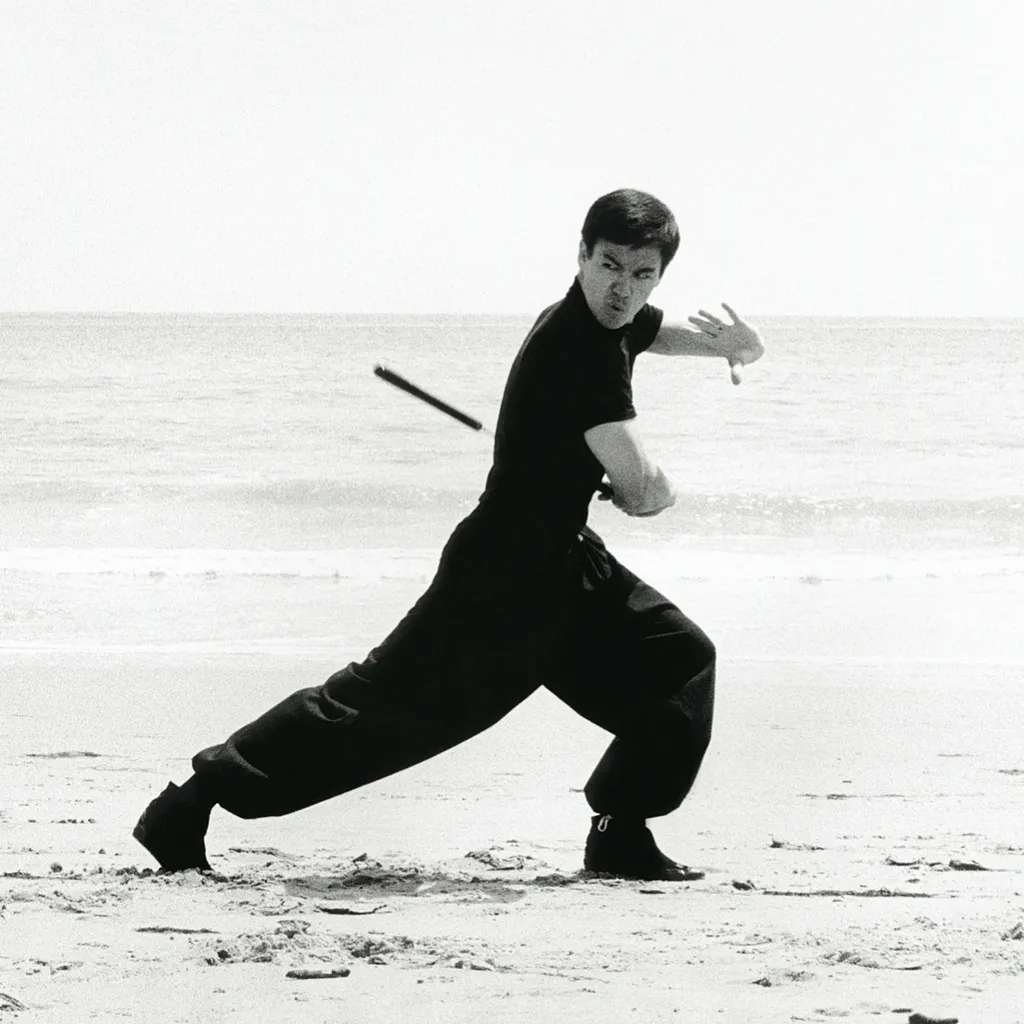
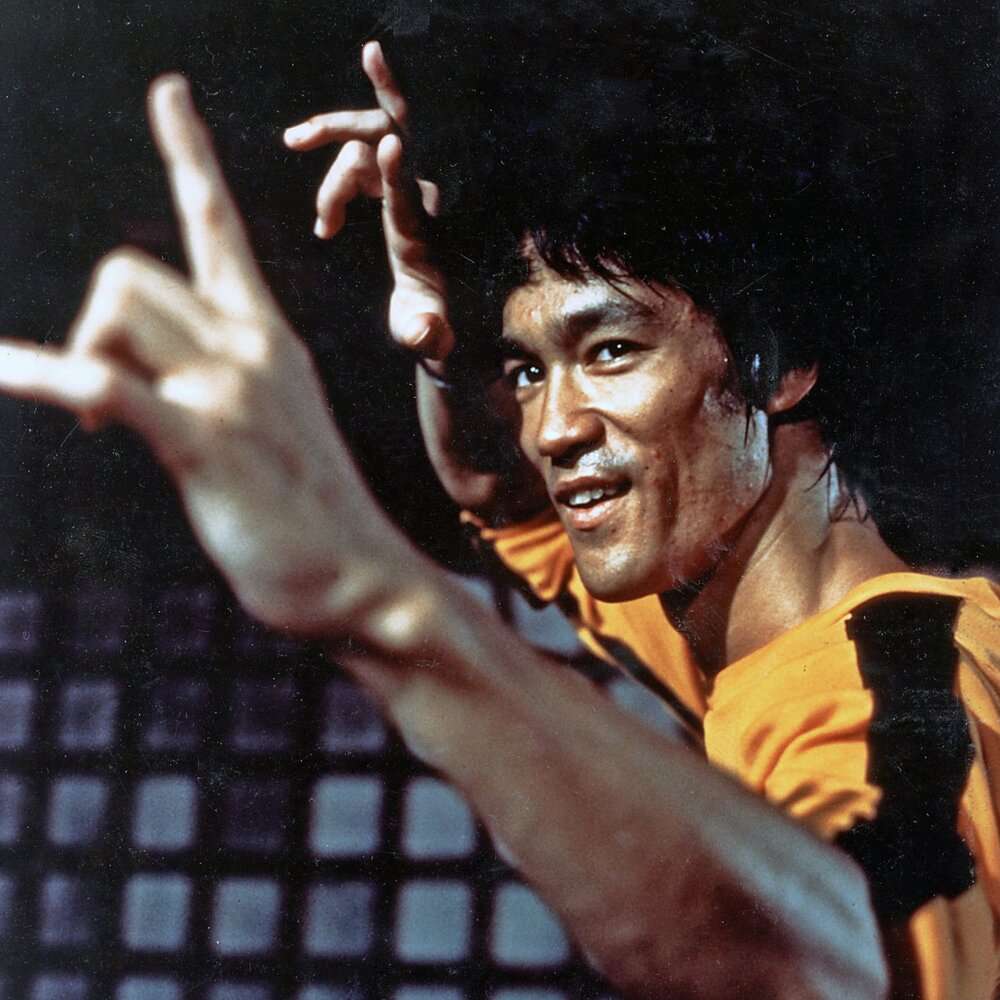
THE LIFE AND TEACHINGS OF BRUCE LEE
Bruce Lee was more than just a movie star and martial artist. He was an entrepreneur who disrupted Hollywood and the entertainment industry. He was a gifted athlete who developed his own approach to health and fitness. He was a man who significantly influenced other races, including African Americans. He was a poet and philosopher with deeply held beliefs about how to live life with purpose.
Biography
Bruce Lee was born on November 27, 1940 in San Francisco’s Chinatown. The son of a prominent Cantonese opera star, Lee appeared in several films at a young age.
Growing up in Hong Kong, he often found himself in pitched street fights with other boys, which prompted him to learn martial arts. At age 16, Lee trained with Wing Chun master Yip Man.
Lee later moved back to the United States and studied philosophy at the University of Washington in Seattle. He eventually opened his own martial arts studio in Oakland, California.
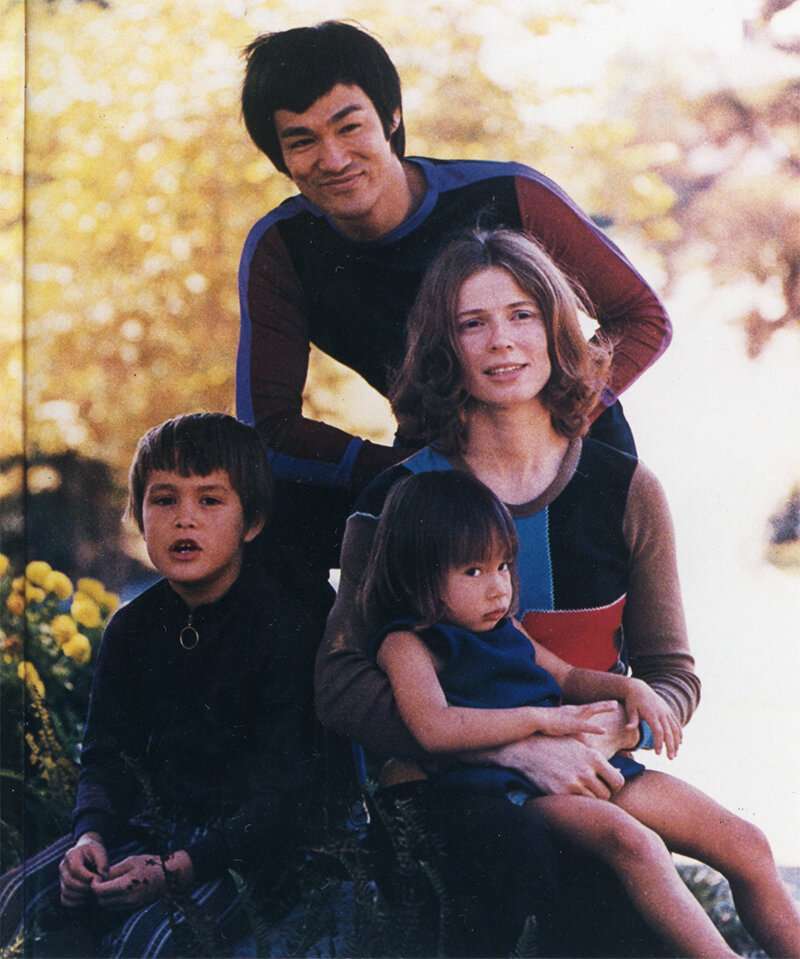
After appearing in a martial arts exhibition in Long Beach, Lee attracted the notice of Hollywood producers. From 1967-1968, he played the role of Kato in the short-lived television show “The Green Hornet.”
During this time, Lee developed his own brand of martial arts called Jeet Kune Do, which emphasized the importance of flexibility and improvisation when fighting an opponent.
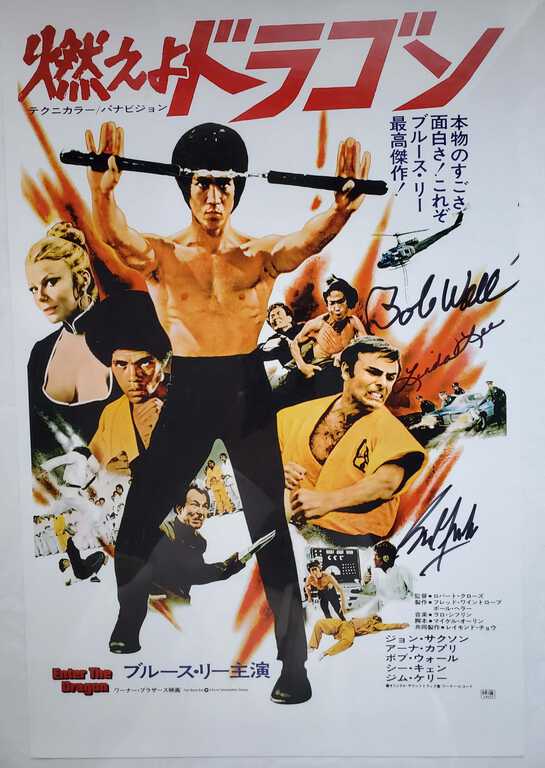
Lee moved back to Hong Kong where he found significant success in martial arts movies like “The Big Boss,” “Fist of Fury,” and “Way of the Dragon.”
“Enter the Dragon,” which Lee starred in, produced, and choreographed, became a major international box office hit, grossing over $300 million against a budget of $800,000.
Lee died on July 20, 1973 at age 32 in Hong Kong. He is buried in Lake View Cemetery in Seattle.
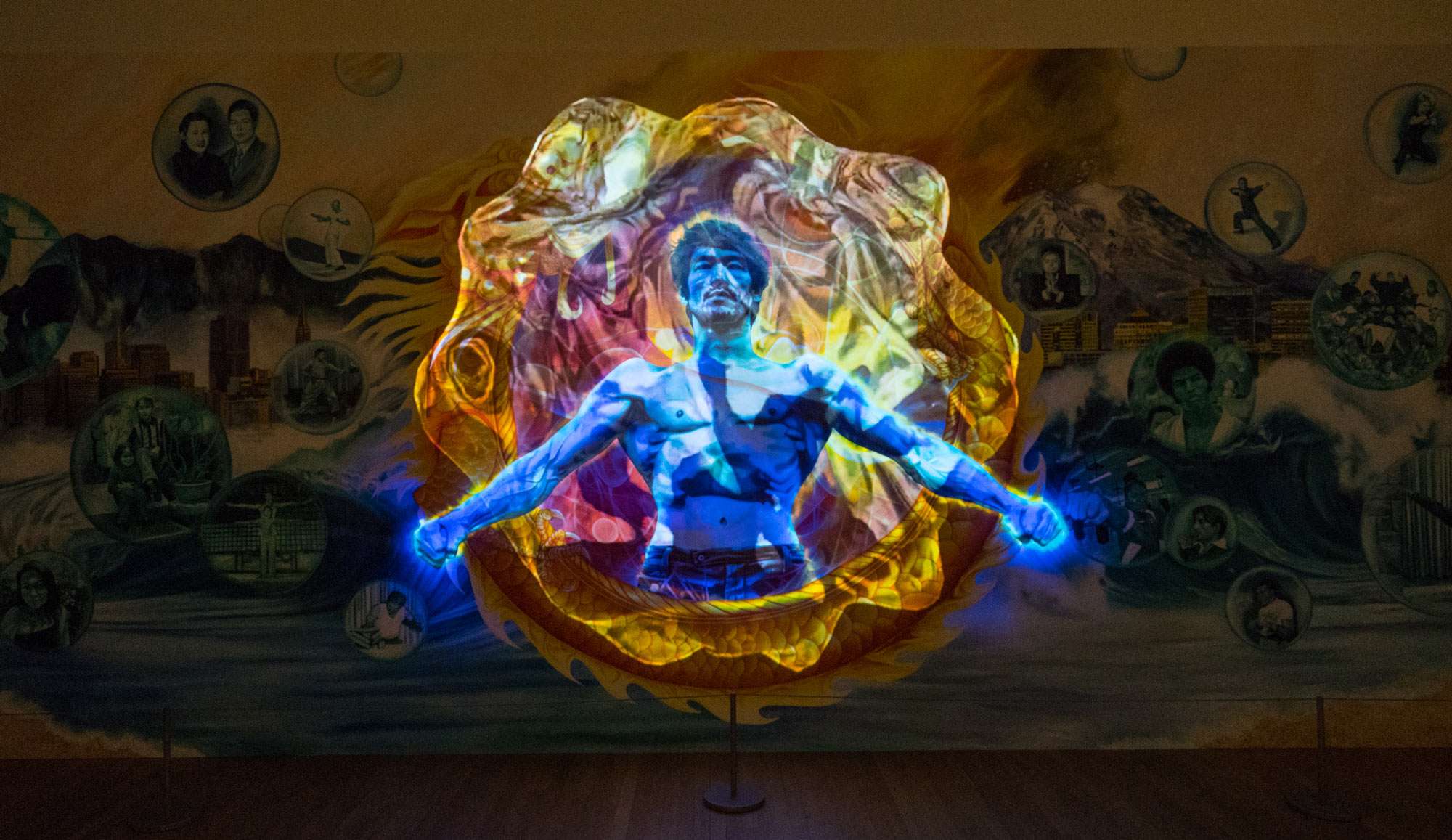
“Always be yourself, express yourself, have faith in yourself, do not go out and look for a successful personality and duplicate it.”
― Bruce Lee
The Visionary
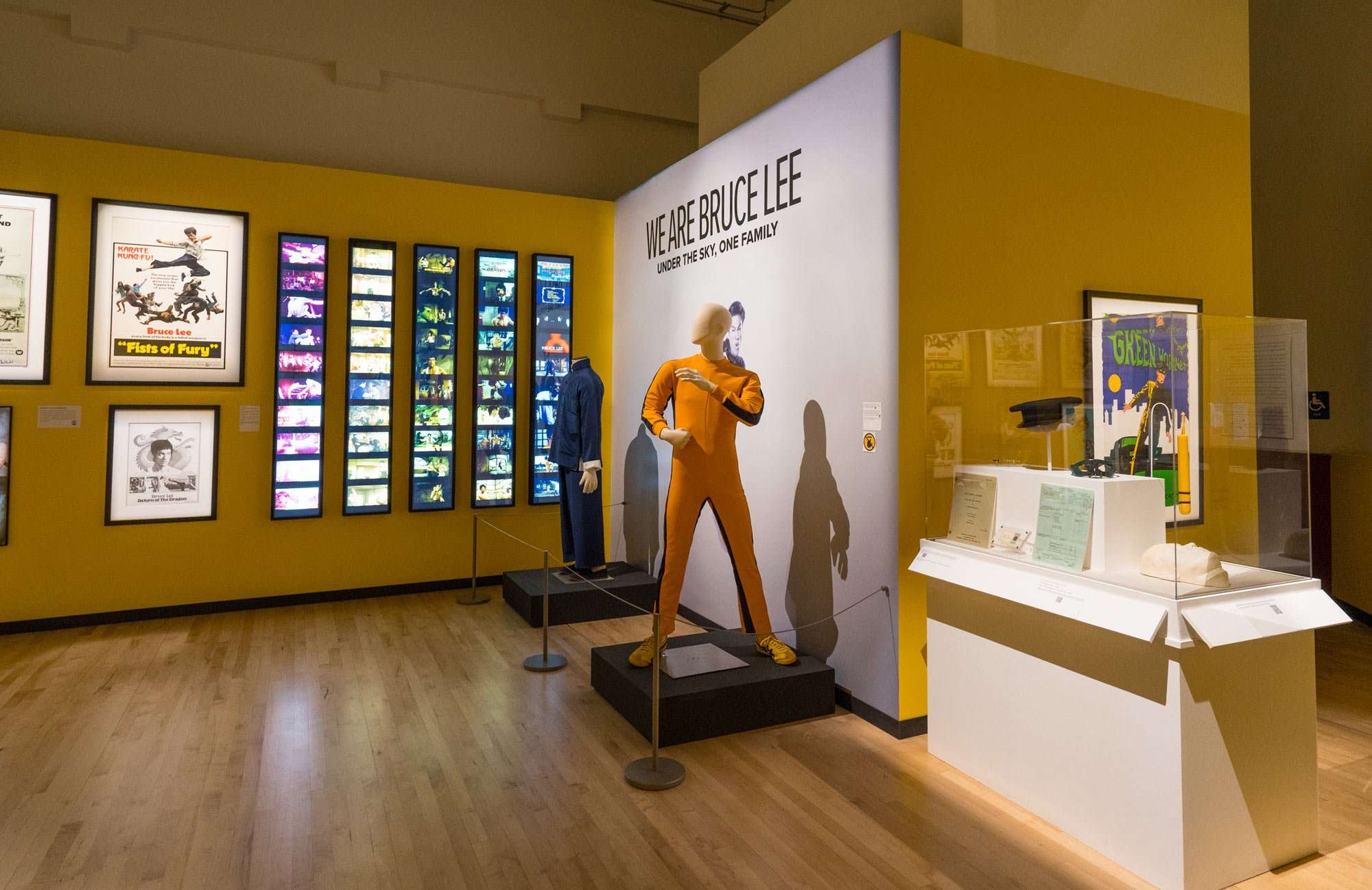
Bruce Lee knew he had a special message for the world, but he had to overcome racial and cultural stereotypes to achieve it. See original artwork and documents by Lee that showcase his tenacity and determination (L2021.4.038) and learn about his hunger for stardom and acceptance. See how Lee faced, and ultimately overcame the racism of Hollywood.
“I wanted to make sure before I signed that there wouldn’t be any ‘ah-so’s and ‘chop chops’ in the dialogue and that I would not be required to go bouncing around with a pigtail.”
― Bruce Lee, excerpt from an interview for Black Belt Magazine about auditioning for the role of No. 1 son in a Charlie Chan tv show.
The Athlete
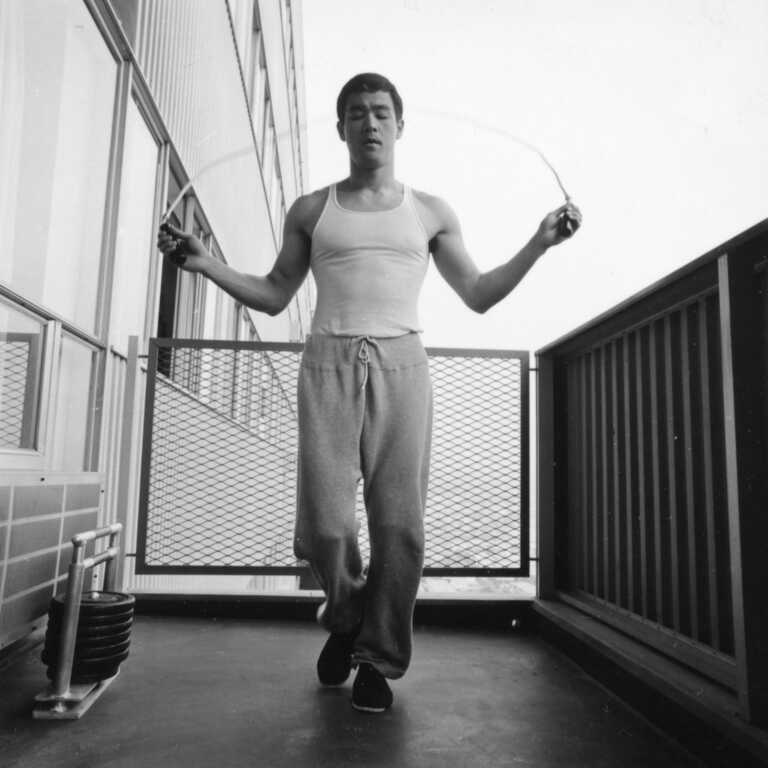
Famous around the world for his kung fu, did you know that Bruce Lee was also a champion Cha-Cha-Cha dancer, a skilled fencer, an acclaimed bodybuilder, a boxing and Judo practitioner, and a calisthenics fanatic? In this part of the exhibition view Bruce Lee’s personal weight bench and some of his dumbbells, read Lee’s personally typed out and hand signed workout routines, see his business cards from his time as a martial arts instructor and price out what it would cost to train with Lee himself on one of his rare coaching price sheets
“As we progress and time changes, it is necessary to reform this formula…tradition is nothing.”
― Bruce Lee
The Thinker
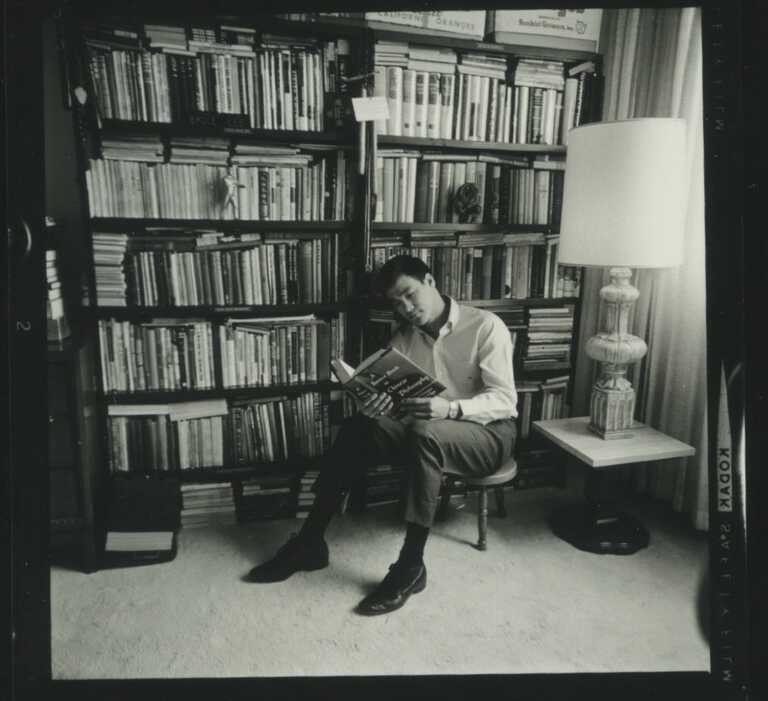
Bruce Lee’s sayings continue to reverberate around the globe. Lee’s ongoing legacy as a philosopher is rooted in his voracious appetite to read. On display the view can read original writing by Lee in the form of a college essay he wrote by hand about Enlightenment philosopher René Descartes. Lee’s philosophy was radical in how it joined traditional Chinese philosophy with European Enlightenment philosophy in a new way that the general public had not seen before.
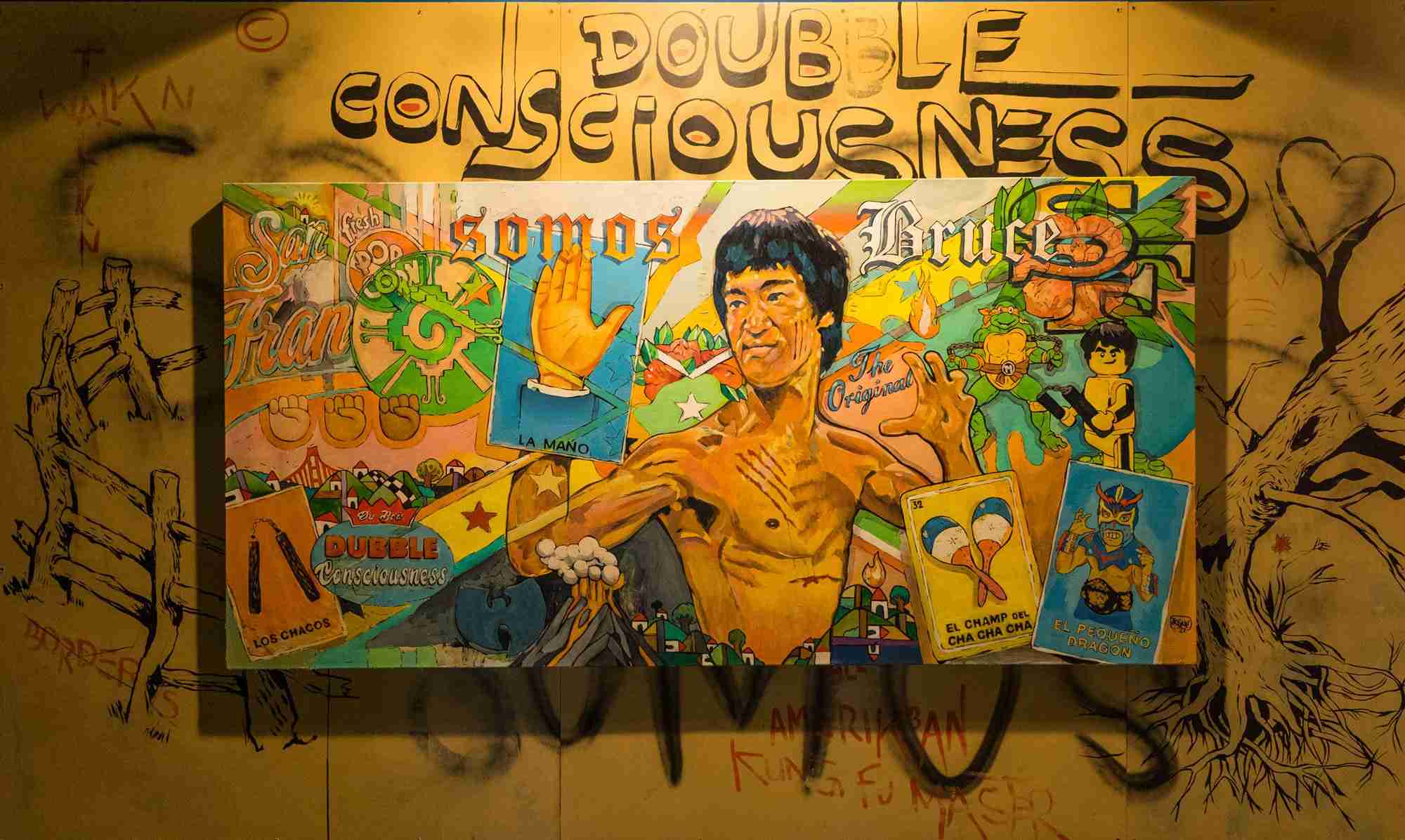
“Millions of his fans are convinced that Bruce was born with a special body; [but] Bruce built up his outstanding physique through sheer application and willpower; through intense training.”
― Linda Lee Cadwell (married to Bruce Lee)
The Unifier
Many of the themes of Lee’s films dealt with fighting the oppressor. He was himself a mixed-race individual, and embraced all races and genders in his movies and in his martial arts classes. While he himself did not march in protests for civil rights, he did embrace concepts of social unity, and civil rights in his films.
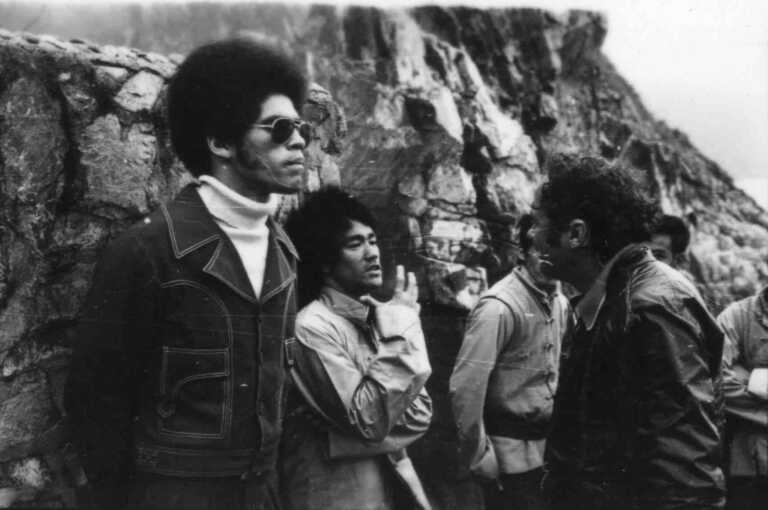
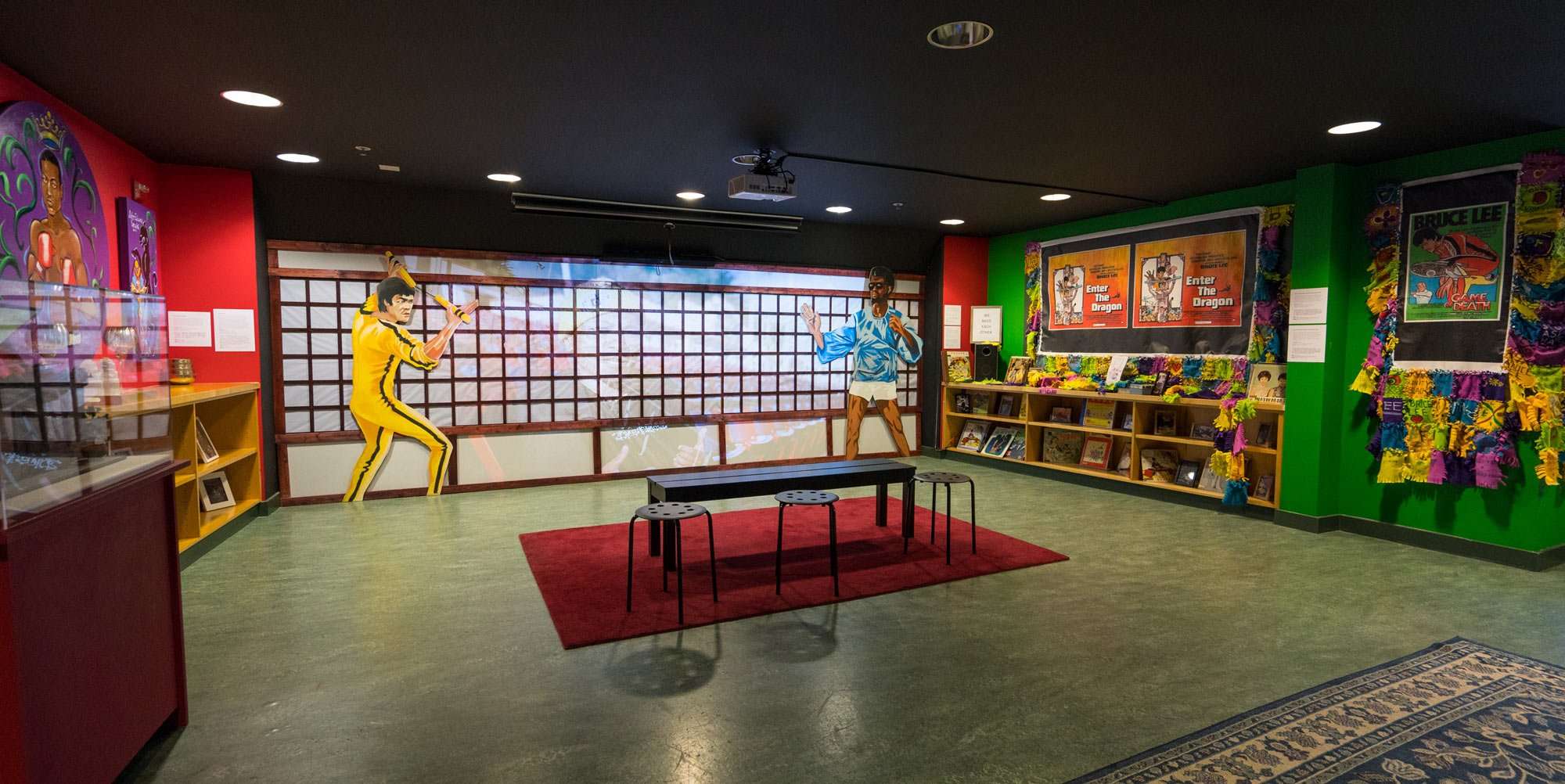
“To hell with circumstances, I create opportunities.”
― Bruce Lee
Participate in the Exhibit

In the 1972 film Fists of Fury, Lee sees a sign outside a park that says No Dogs or Chinese Allowed. He quickly becomes offended and jumpkicks the sign, smashing it to bits. In the gallery we recreate this opportunity for all visitors. Take a wooden board, write down on the board what oppresses you, what challenges you or what is blocking you in your own life. Place the board on the pads and smash it! Here are some examples. Please try our digital game to recreate this experience below.
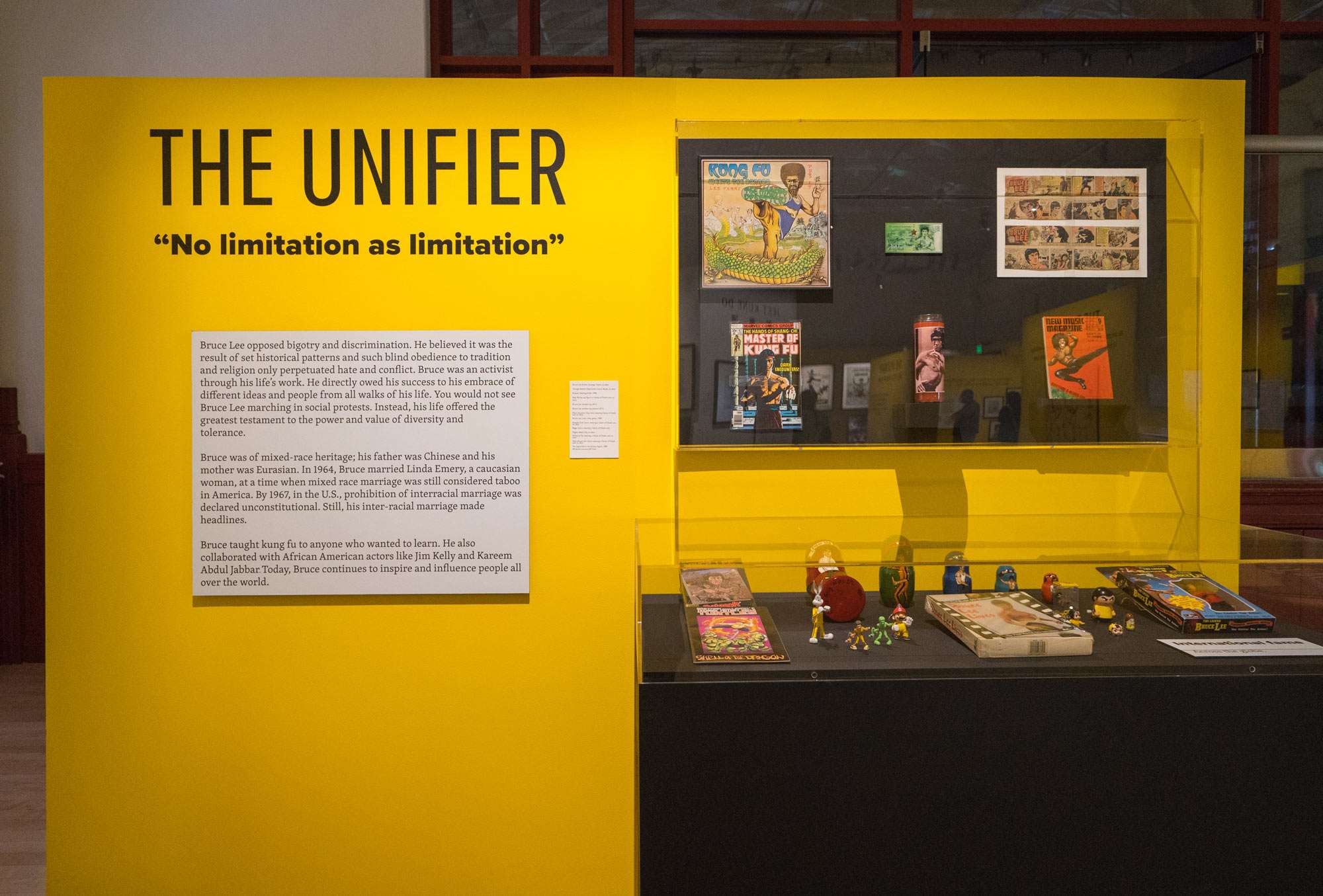
“Research your own experience, Absorb what is useful, Discard what is not, Add what is uniquely your own.”
― Bruce Lee